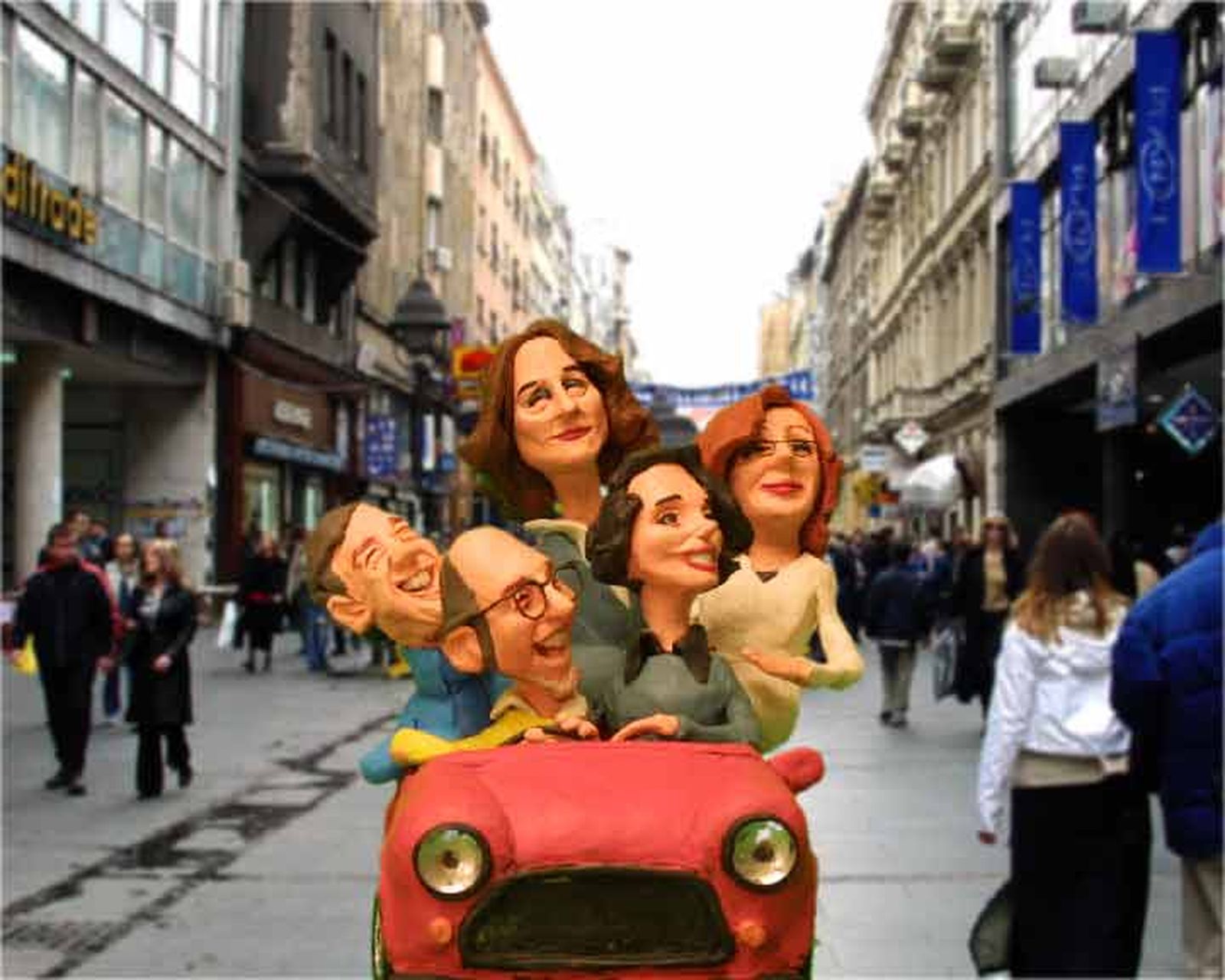
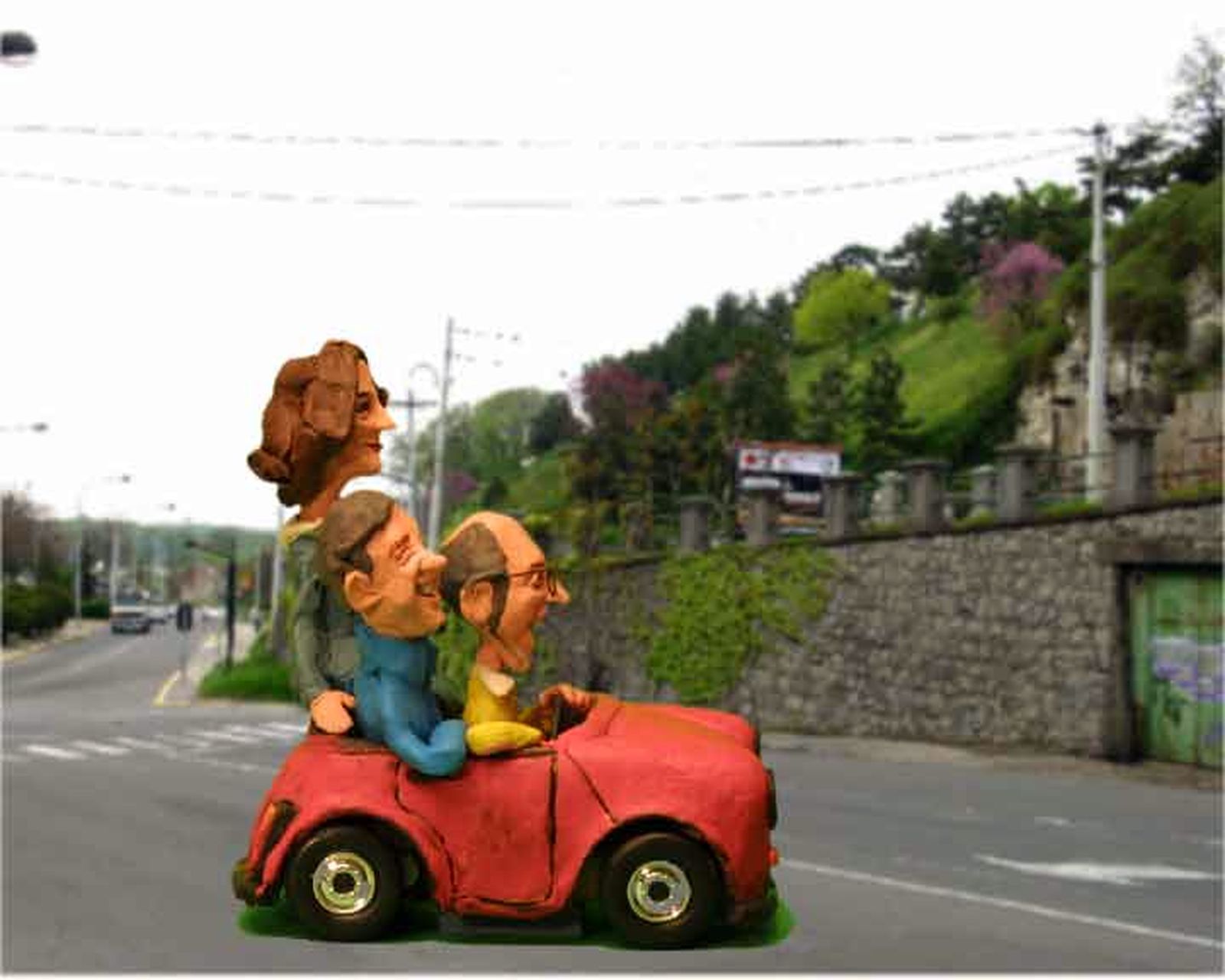
Support a positive example of cooperation between young musicians from ex-Yugoslav countries and inspire further relations in the region, despite frequent misunderstandings and miscommunication as a consequence of the civil war that had taken place couple of decades earlier.
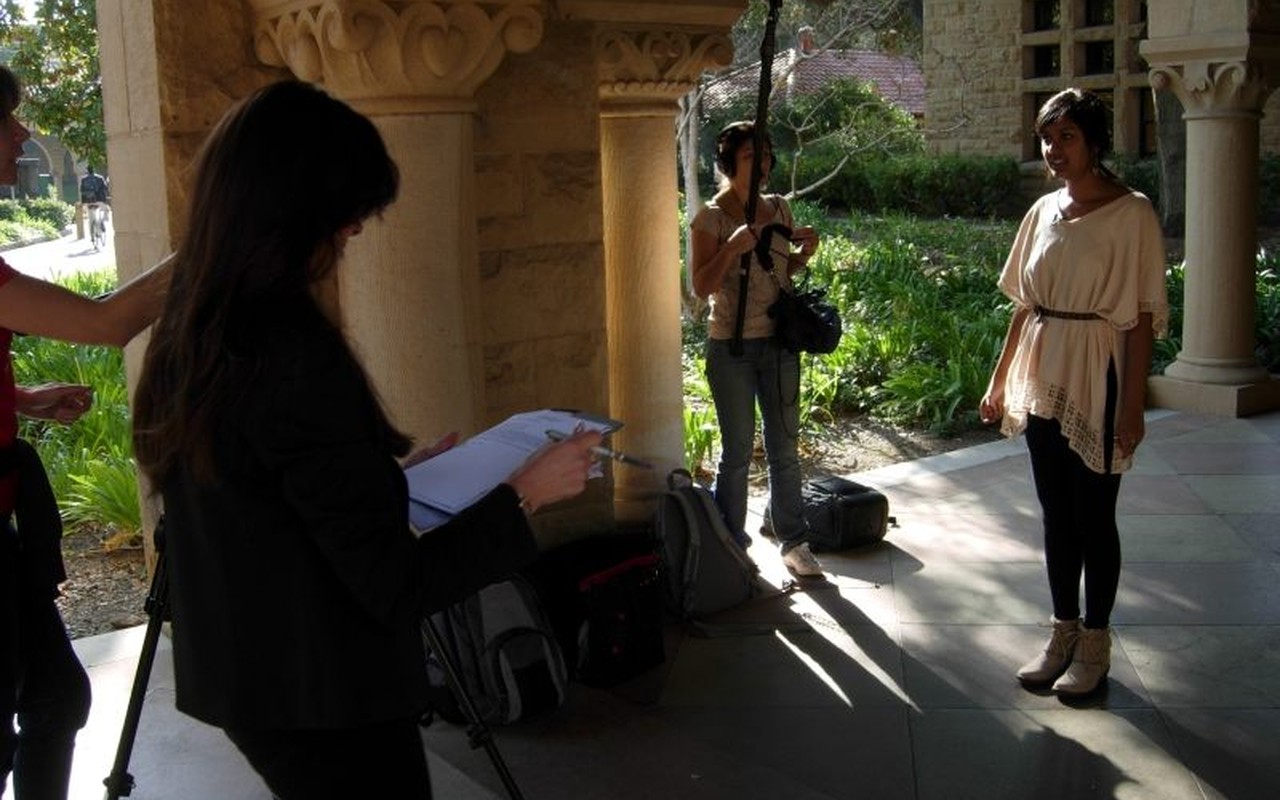
Aiming to promote a better communication with the world, the 42- minute documentary Connection / Koнекшн reviews the qualities and defects of the Serbian and American mentality. University students from Belgrade and the U.S. talk about their views on national identity , patriotism and nationalism, stereotypes, diversity, prejudice, ethnic minorities, the system of values, same sex marriages and adoption of children by homosexual couples, unemployment, politics, violence, similarities and differences.
Donor: U.S.Embassy in Serbia (Democracy Commission Small Grants Program)
Tracing the thoughts of three 17-year-old girls and their authentic environment, the film builds a story about adolescent drama of growing up in a society that promotes aggression, alienation, profanity, hopelessness, social autism,etc. CHILL OUT, the term adopted as the film title, embodies the prevailing attitude of the new generation brought up on a mixure of Grand Productions and MTV. The film itslef seeks the answer to the question: What are current generations like and what values are they reflection of?
Donor: Secretariat for culture of the city of Belgrade
The documentary based on “Working Together for Child Protection”,a project implemented by Save the Children UK and funded by the European Commission, aims to improve the child welfare systems and the protection of children’s rights in Serbia, Kosovo and Montenegro by supporting the development of a coordinated, cost-effective and sustainable child protection services and promotion of community-based child welfare approaches.
The overall objective of the project was to build capacity of MoLSP, Local Self Governments (LSG) and other central and local stakeholders in the social welfare system, in order to effectively implement the SWDS. The Donors and MoLSP were to send the following message through this film: GoS and MoLSP and their partners are actively implementing the SWDS and wider social welfare reform agenda, that the support provided by DFID and NMFA has contributed significantly to the progress that has been made, that the work completed to date forms a firm foundation on which to build and move forward in terms of social welfare reform in the broader EU integration context.
Donor: Ministry of Labour and Social Policy of the Republic of Serbia , Department for International Development , United Kingdom (DfiD) and Norwegian Ministry of Foreign Affairs (MFA)
The film offers a personal story of Ivana – a single mother from Serbia that adopted a little boy from Tibet she now lives with in France. In the Vasiljević family, little Tenzin has an even tougher time since, along with the solving the complexity of his identity and confronting the problem who he is and who he belongs to, the issue of nurturing a different culture, tradition, philosophy of life surfaces. This film is a generically civilizational story which uses the comparative contemplation of cultural differences of three worlds – Serbian, French and Tibetan – to stress the advantage of adoption for the development of a child, as well as the need to respect the rights of children regardless of them living in families with their biological parents or not.
(Investigative Journalism Award by the Embassy of the USA and the Independent Journalists’ Association of Serbia 2008, UNICEF plaque 2008)
Raising awareness of the general public in Serbia about the issues of children’s rights and the beneficial effects of alternative placements for children without parental care -specifically adoption and foster care. The results of the action: One 80 min documentary on the issues of placement of children without parental care in differing life settings. Awarded prizes for investigative journalism.
Donor: EU Delegation in Serbia through programme European initiative for democracy and human rights and Ministry of Labour and Social Policy
Vojvodina is a region with the best possible tradition represented in multicultural life Kovacica, the largest municipality in southern Banat, with a population that includes 29 nationalities – proof that diverse political and religious communities can live together, and that differences are no reason for conflicts. By tracing the reality of three women of different nationality living next door to each other, we learn about their lives, customs and differences that present no threat to the others.
The British Council has been operating in Yugoslavia for more than 60 years. After all that time, all the activities of this politically independent organization, have finally been integrated in a single building. Following the the very act of moving into the new offices in Terazije Sq., the film entitled Moving, illustrates the British Council cultural and art programmes.
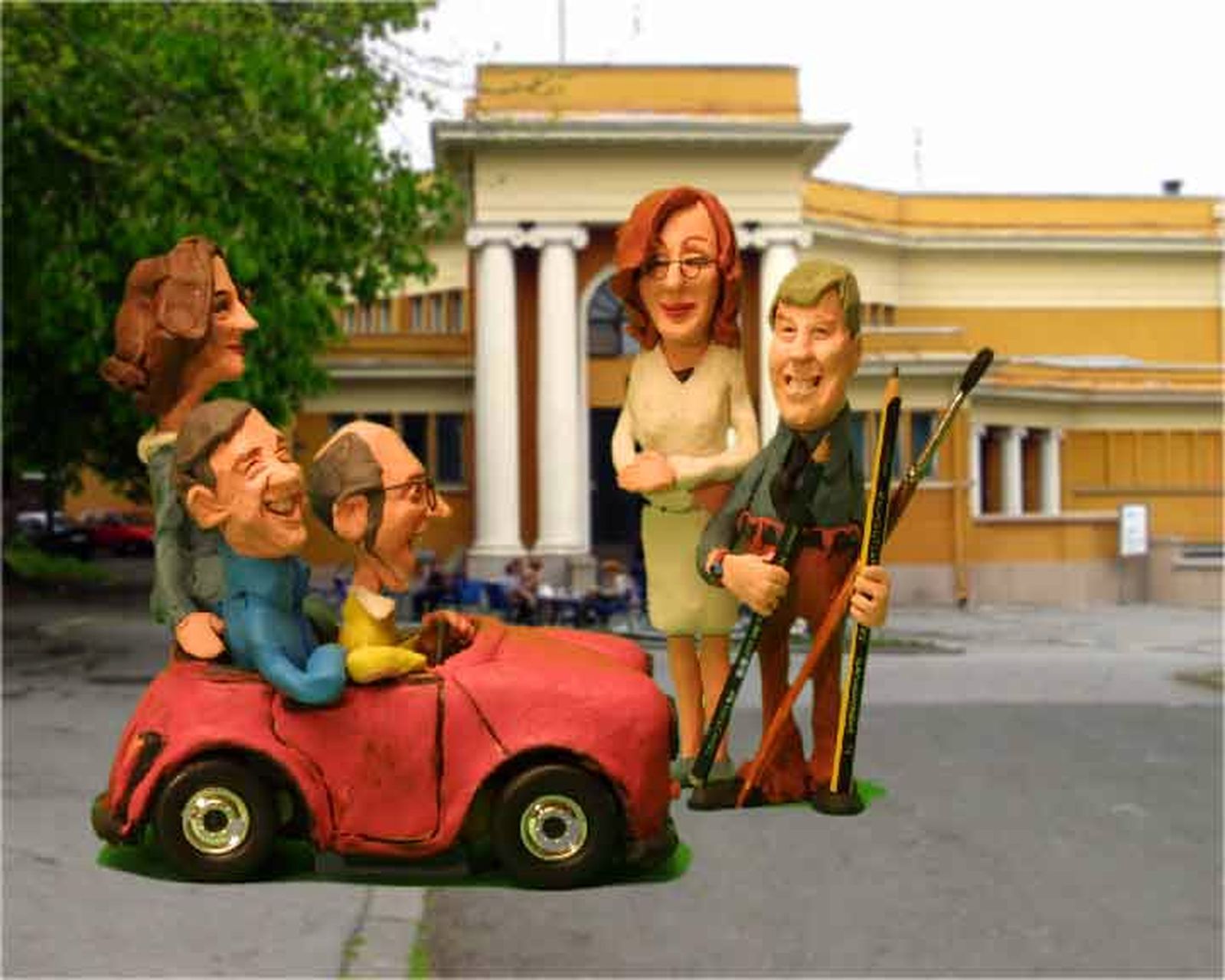
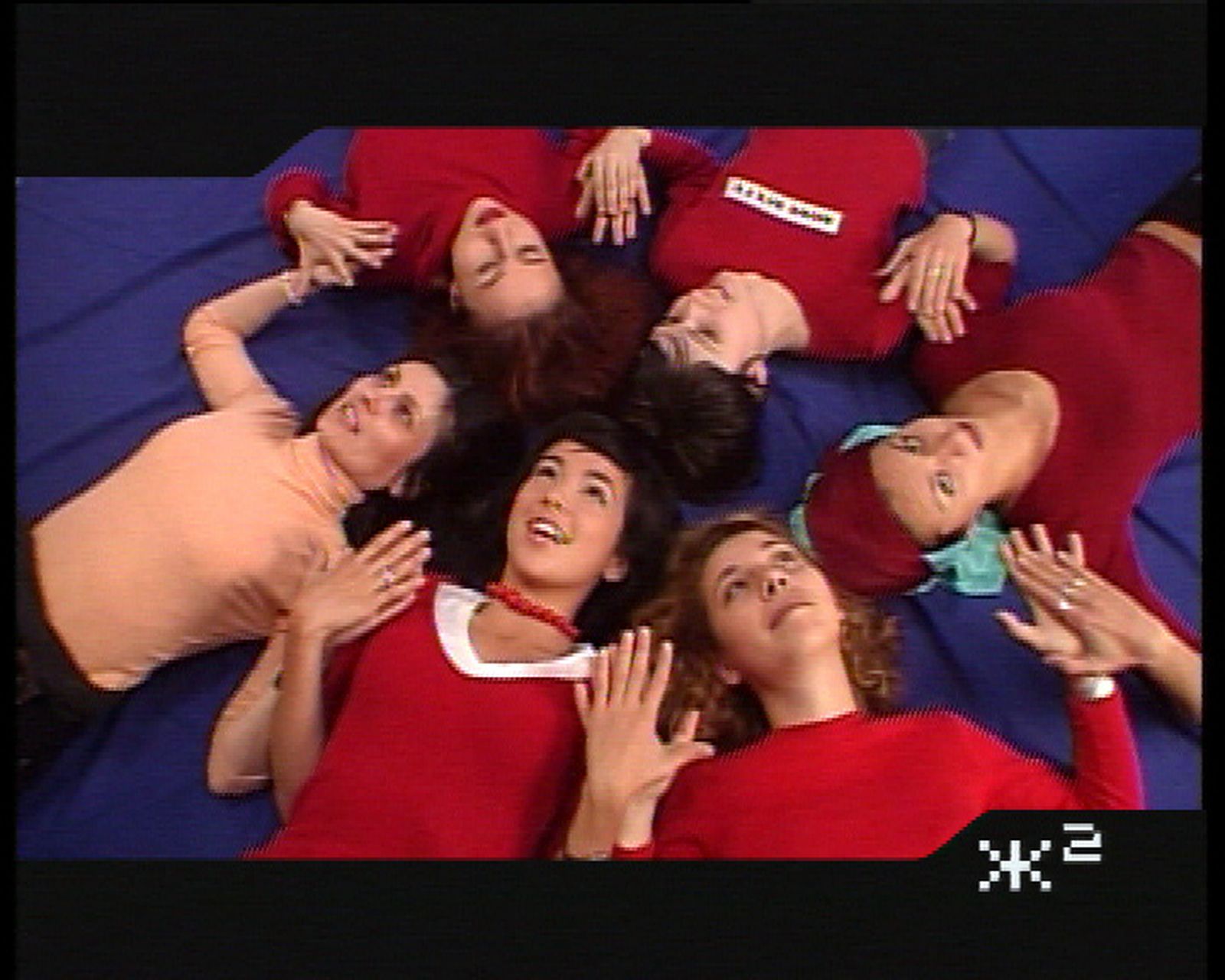
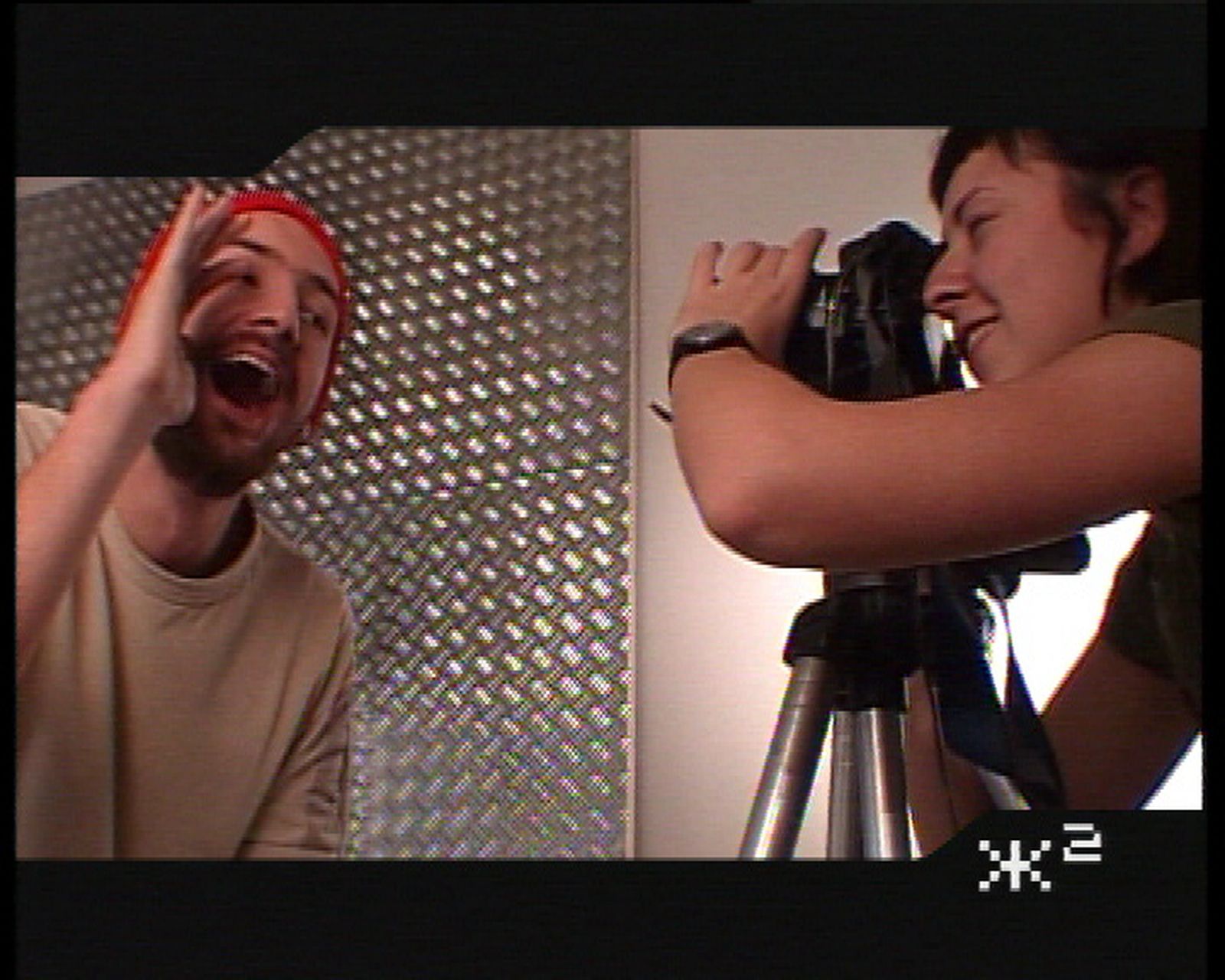
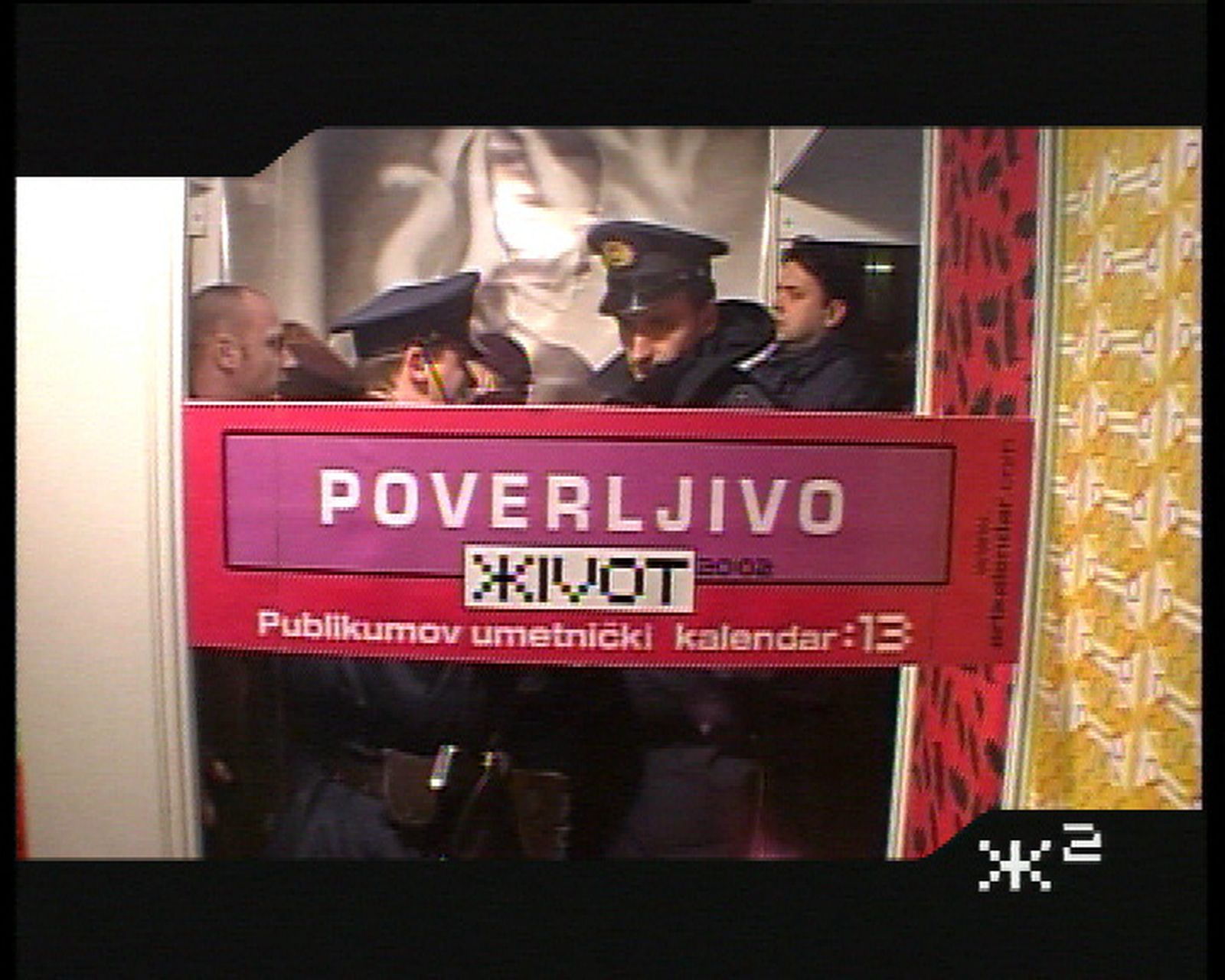
The Belgrade-seated Publikum printing company issued its 13th artistic calendar titled “Life” including over 100 photos taken by more than forty young local artists. The calendar for 2002, as well as a media campaign, promotes the project with “liberation” as main topic – liberation from clichés, trends, imposed ways of life, and mostly liberation of a “dormant creative energy”. The project is made complete by the documentary “Life Live”. The documentary depicts the process of the calendar’s creation by Artistic Group FIA.
The Way Out is an hour long documentary about people who decided to leave Serbia because of Milosevic’s rule as well as those who decided to stay and fight. The objective was to incite citizen action if they are unhappy and discontent about the workings of their Government.
(Award at theFestival of Yugoslav Documentary and Short Films, Belgrade 2001)
It is a documentary which shows the opinions of passers-by, together with their messages and questions to politicians whose statuettes have been displayed in shop windows in towns throughout Serbia. Now, before elections in the Republic of Serbia, is the time to test public opinion in Serbian towns on the transition phase we entered on October 5, 2000.
In the face of prohibitions and restrictions in all aspects of life, over the last ten years many people have left Belgrade, Serbia in pursuit of a different reality. “BOM DIA” is about those people who, in their quest for a more acceptable and normal life chose Portugal, an ultra-peripheral country, in the very corner of Europe.
(Honourable Award, Zentrum für Kunst und Medientechnologie, Karlsruhe, Germany 2000)
Coo-coo-cacaachoo is about recognizing values, surviving urban places, clubs, theaters, protests against bans of the free press and closing down work of independent media. It is about people for whom nonacceptance the basis of any moral concept.
(The best camera work and the best editing in the 45th Festival of Yugoslav Documentary and Short Films, Belgrade, ‘98)
Just like in every love affair, there is a struggle against the sense of dependence, loss of confidence, identity or freedom, so in every-day life we are faced with the same emotions.
(Gold Awardof the 19th Tokio Video Festival, Japan, ‘97)
From the road to impossible shows theatrical performances in a psychiatric hospital in Belgrade. This is a natural form of resistance that can lead to better communication. It is yet another proof that living beings show signs of life.
(Best Documentary and FIPRESCI awards International TV Festival, Bar ’95).
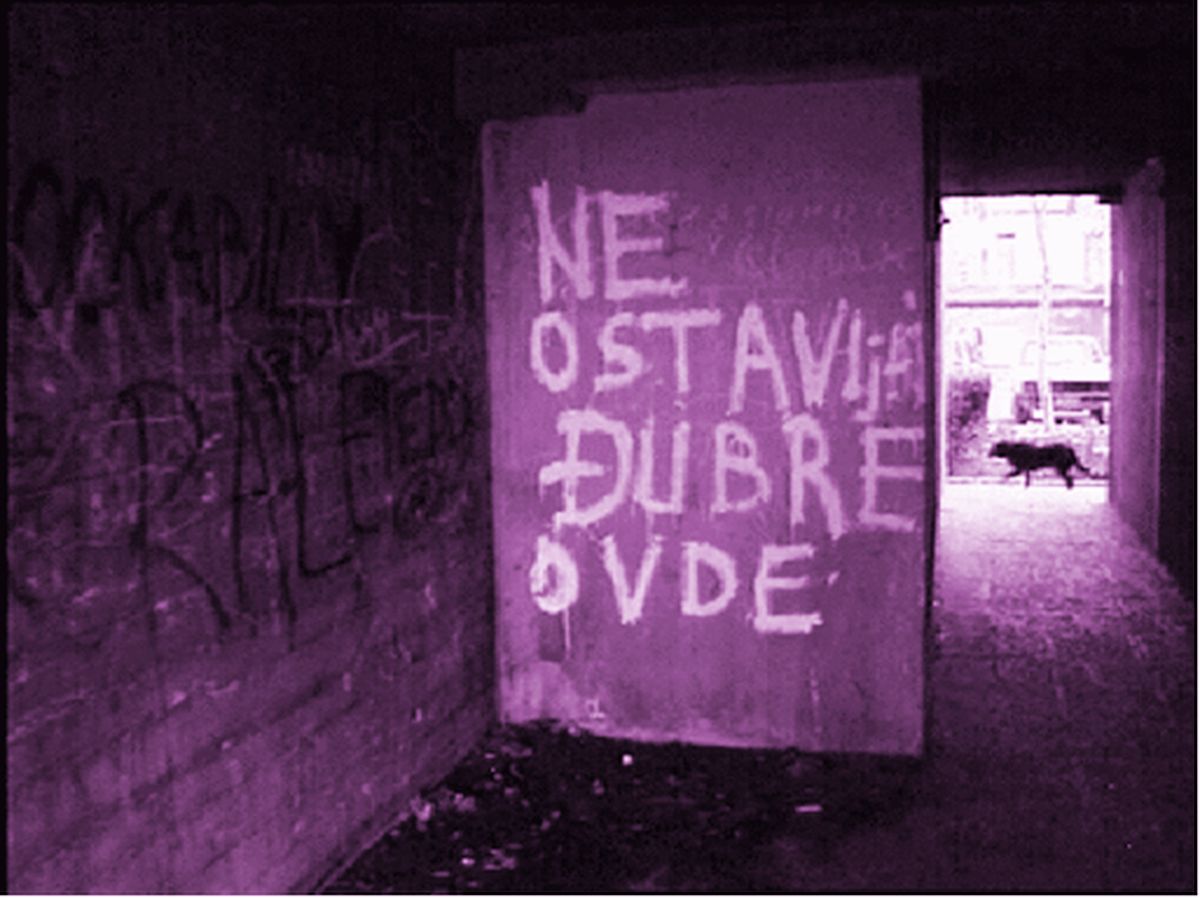
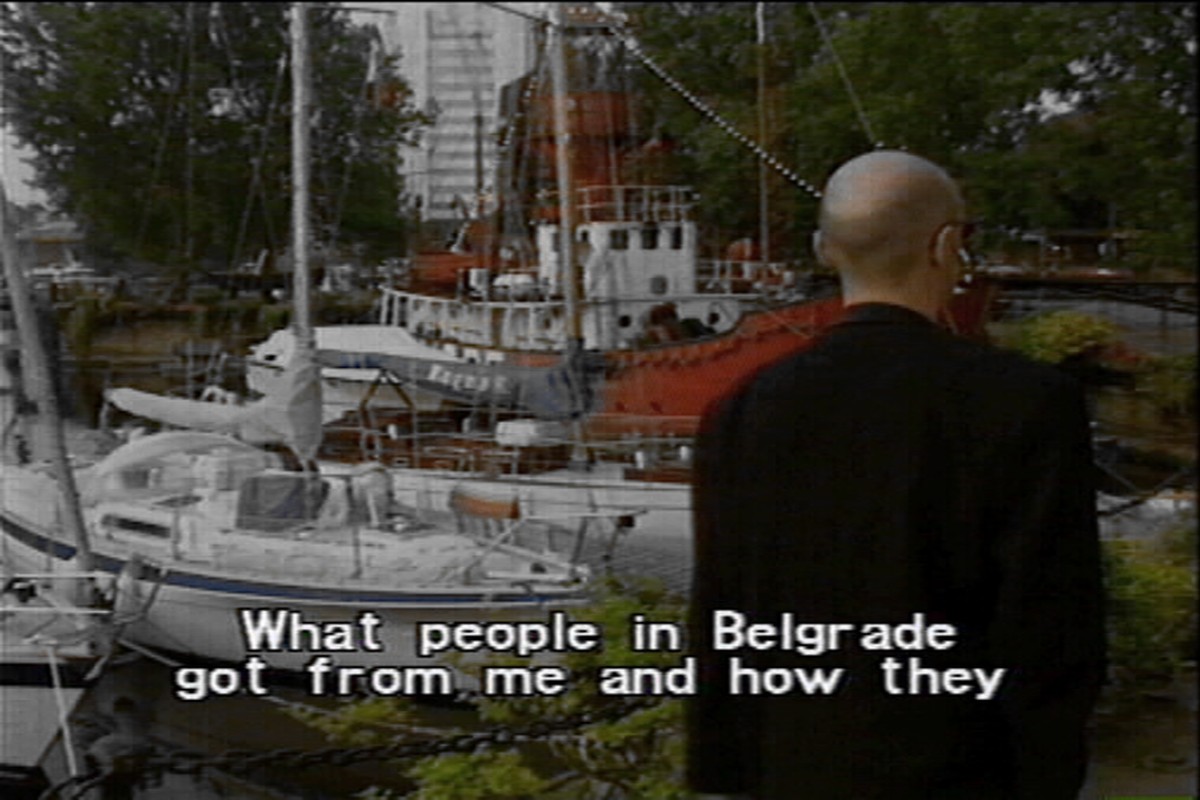
Between 1991 and 1994, 15 000 people moved from Belgrade to London. Among them are my friends who have exchanged Belgrade’s heart for an non-existant London fogg, Capitol radio and, maybe, refuggee status. Is this really a matter of personal choice: pack your things and leave?!
(First prize in the “open forms” category at the 41st Festival of Yugoslav Documentary and Short Films, Belgrade ‘94)
In these tumultuous times, when things last shorter and shorter, music remains the last symbol of recognition. Originally intended as a music choice by celebrities who made something out of their lives, thus claiming the right to be the first, this show represents an exchange of energy, recognition, acceptance and respect for differences through dialogues with the guests. Their thoughts do not bring order into chaos, but confirm the fact that there are people in Belgrade who want it to be different.
Working on animal skin, painter Milenko Mihajlovic expresses his feelings about the war. Unlike those who manipulate people, this painter manipulates leather in order to create art.