The Tree of Life/A Strange Forest
2008
Website
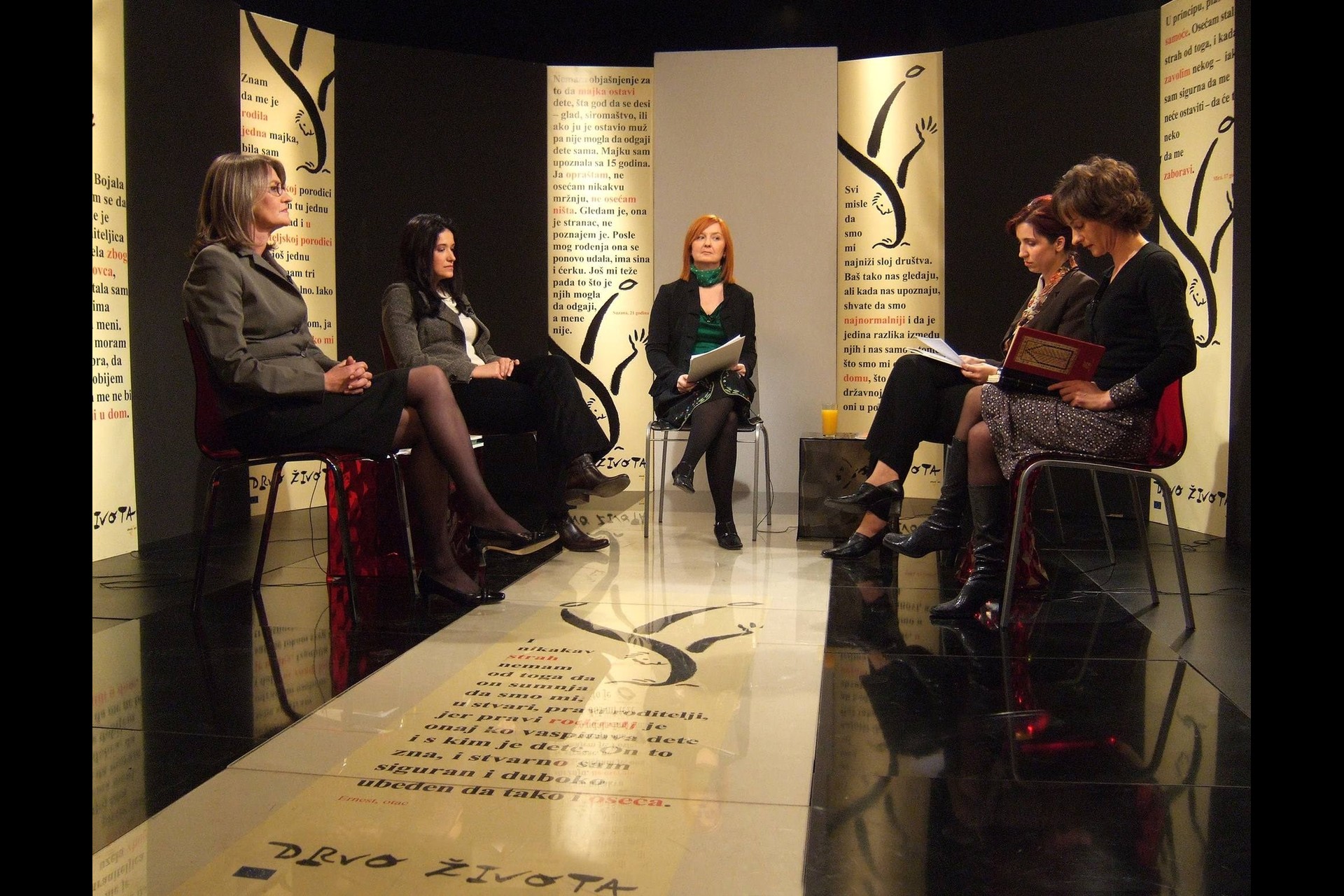
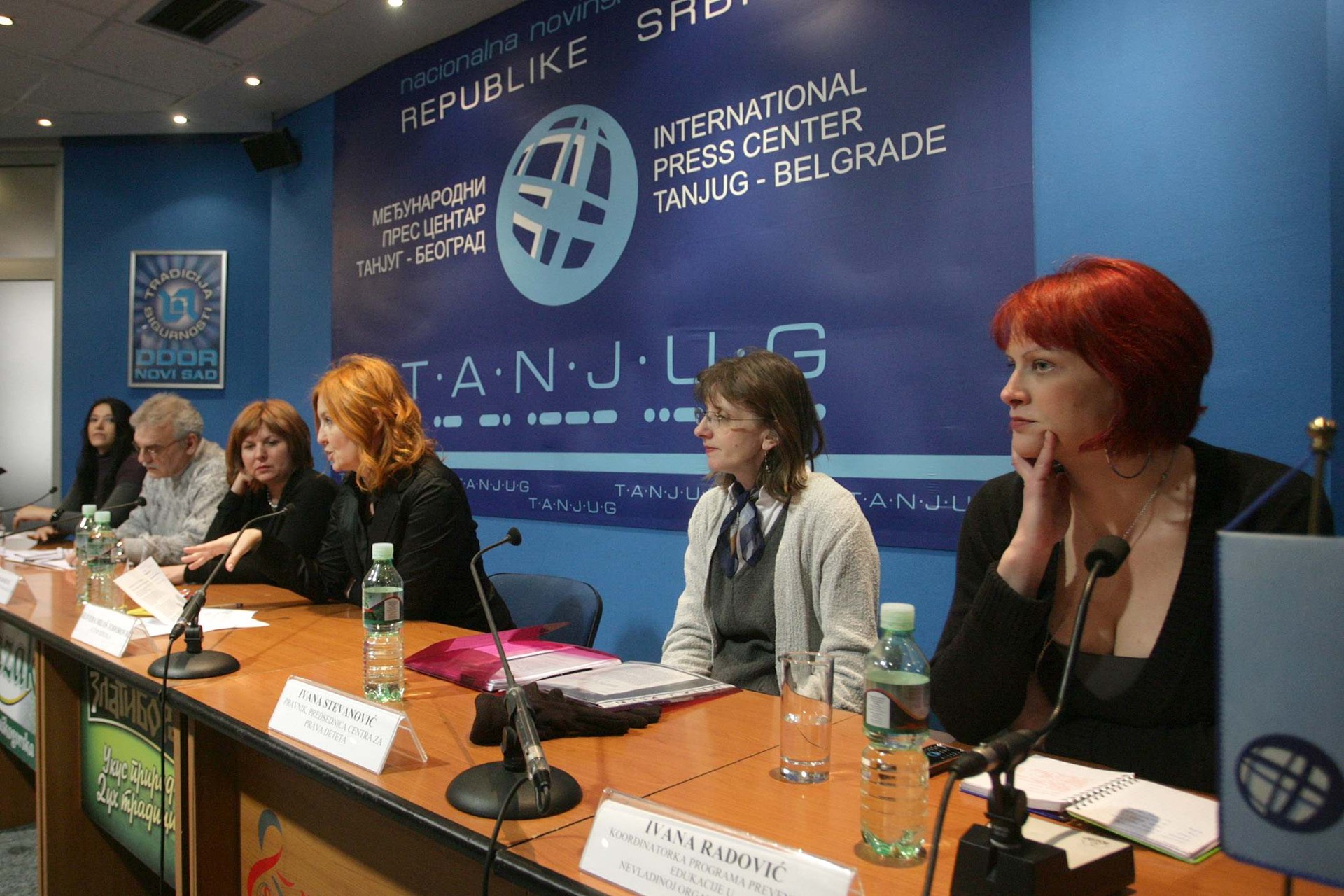
This project allowed the professionals, as well as wider public to go through some self-examination about the way children are cared for in Serbia.
Recently adopted Social Welfare Reform Strategy clearly indicates that, in order to better protect children’s rights and to meet the EU standards, Serbia must put forth an effort to reduce the numbers of children in residential placement (de-institutionalisation), and develop a wider foster family network, as well as encourage the development of other alternative forms of child placement (small group homes, half-way-houses, etc). The Ministry of Labour, Employment and Social Policy coordinates efforts to achieve this, but, with limited results.
There is a serious resistance from professionals in the field of social protection to reduce numbers of children in institutions, and lack of interest among citizens to become foster parents.
Addressing these issues, the Social Welfare Reform Strategy Action Plan requests that a decisive action is taken to raise awareness among the general population (and professionals alike) about the detrimental effects of lengthy placement in residential institutions on children’s overall development and about frequent violations of children’s rights in these institutions.
This documentary series includes statements from decision-makers (politicians from the Ministry of Labour), Centres for Social Work in charge (responsible for the placement of children when parents do not have parental rights over their biological children), Employment and Social Policy, case workers from CSW, residential institutions’ employees, foster parents, adoptive parents, young people, child psychologists, other relevant adults, NGOs active in this field.
Donor: U.S. Embassy Belgrade (Democracy Commission Small Grants)